Xiaomi kicked off its next flagship generation on September 23 2026 with the Xiaomi 18 Pro and Xiaomi 18 Pro Max, both built around a new 2nm Snapdragon 8 Elite Gen 6 platform, dual 200MP Leica cameras, hardware privacy displays, and the biggest batteries the numbered series has ever carried, joined by the Xiaomi 18 Fold with in-house XRing O3 chip and 200MP Leica triple camera. The standard Xiaomi 18 follows in December 2026, and there is no Xiaomi 18 Ultra this generation.
This guide covers both Pro models in full: the compact 6.4-inch 18 Pro with 7000mAh battery and the 6.9-inch 18 Pro Max with Extreme-binned chip, 8500mAh battery, and exclusive satellite edition, each compared against its pricier-or-cheaper sibling and its Xiaomi 17 predecessor. All models run HyperOS 4 on Android 17 with Leica Summilux imaging and Versatile Back Screen rear displays.
With a CNY 1,000 generational price increase, identical dual-200MP camera hardware across both tiers, and sharper differentiation on chip, screen, and battery than the 17 Pro pair ever had, the 18 series is Xiaomi's most deliberately tiered flagship launch yet.
Xiaomi 18 Pro
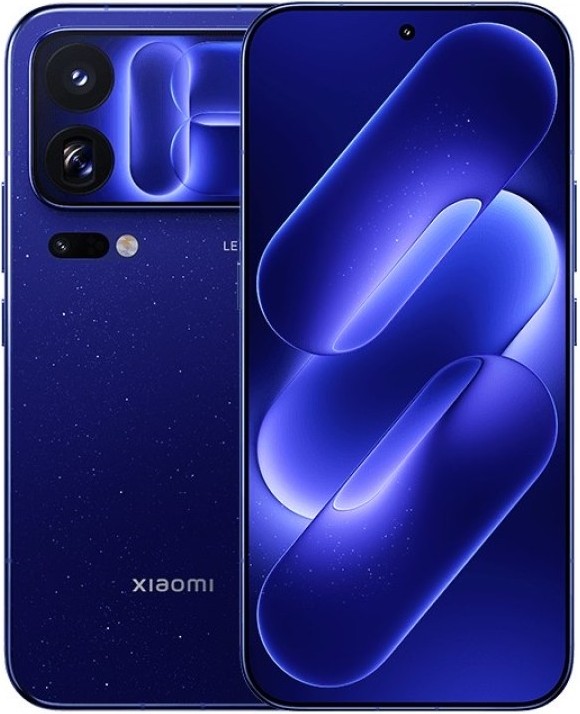
Platform
OS: Android 17, HyperOS 4CPU: Snapdragon 8 Elite Gen 6 (2 nm)
Memory
12/256, 12/512, 16/512, 16/1024Size
6.4", 203 g (7.16 oz)151.8 x 72 x 8.5 mm
5.98 x 2.83 x 0.33 in
Battery
7000 mAhChina from CNY 5,999 (~$895)
Buy now on TradingShenzhen
Main camera
200 MP, f/1.67, 23mm (wide), 1/1.28", Light Hunter 960, OIS200 MP, 75mm (periscope telephoto), 1/1.56", 3.2x optical zoom, 12cm macro, OIS
50 MP, f/2.4, 17mm, 102˚ (ultrawide)
Video modes
8K@30fps (HDR)4K@30/60/120fps (HDR10+, 10-bit Dolby Vision HDR, 10-bit LOG)
1080p@30/60/120/240/960fps
720p@1920fps, gyro-EIS
Selfie camera
50 MP, f/2.2, 21mm (wide)Video modes
4K@30/60fps1080p@30/60fps, HDR10+
🤖 CPU
The Xiaomi 18 Pro is the first numbered Xiaomi flagship built on Qualcomm's new 2nm process, launching in China on September 23 2026 with Android 17 and HyperOS 4. Xiaomi confirms fourth-generation Oryon CPU architecture with speeds up to 5GHz, and claims roughly 15% overall compute uplift, up to 35% GPU performance gain, 40% lower GPU power draw, and up to 80% faster NPU inference versus the previous platform. A circular cold-pump cooling system with 4,355mm² dissipation area keeps sustained loads in check inside the compact chassis.
Compared to the Xiaomi 17 Pro's Snapdragon 8 Elite Gen 5 (3 nm, 4.6GHz prime cores), the move to 2nm silicon is a full process-node jump with meaningful gains in both peak performance and efficiency. Within the 18 lineup itself, the Pro sits one notch below its pricier sibling: the 18 Pro Max uses a higher-binned Extreme variant of the same 2nm family with a larger 5,513mm² cooling system, a split the 17 Pro and 17 Pro Max never had, since last year both phones ran the identical Gen 5 chip.
📸 Camera
The Xiaomi 18 Pro brings the biggest camera jump of the generation: a dual 200MP Leica system with a 200MP f/1.67 23mm main sensor (1/1.28" Light Hunter 960, OIS) and a second 200MP 75mm periscope telephoto (1/1.56", 3.2x optical zoom, 12cm macro, OIS), plus a 50MP f/2.4 17mm 102˚ ultrawide and a 50MP f/2.2 21mm selfie camera. The new Legendary Moment imaging pipeline, laser autofocus, and a dedicated color spectrum sensor round out a system that records 8K@30fps HDR and 4K@120fps with Dolby Vision and LOG.
Compared to the Xiaomi 17 Pro's triple 50MP setup with a 5x (115mm) periscope, the 18 Pro trades native zoom reach for vastly larger, higher-resolution sensors: Xiaomi claims the new telephoto gathers 280% more light than the 17 Pro's single 50MP periscope, with up to 12.8x lossless-quality zoom via cropping and computational processing. Against the pricier 18 Pro Max, camera hardware is now identical between tiers, a change from the 17 generation where the Pro Max's telephoto used a wider aperture than the Pro's. For 2026 Xiaomi sells the same camera experience on both phones and differentiates on screen size, chip bin, and battery instead.
💿 Memory & Storage
The Xiaomi 18 Pro keeps the same four configurations as the 17 Pro: 12/256, 12/512, 16/512, and 16/1024, with faster LPDDR5X RAM and UFS 4.1 storage plus HyperOS 4 memory optimizations. Pricing has risen across the board versus the 17 Pro's CNY 4,999 starting price, largely reflecting the memory-chip shortage that pushed component costs up industry-wide through 2026.
Compared to the pricier 18 Pro Max, which mirrors these four tiers and adds an exclusive 16/1024 satellite-connectivity edition at CNY 10,999, the Pro covers the same mainstream range without the satellite SKU. Buyers choosing between the two pay the premium purely for chip, screen, and battery, not storage.
📱 Display
The Xiaomi 18 Pro grows slightly from the 17 Pro's 6.3-inch panel to a flat 6.4-inch LTPO AMOLED at 2436 x 1120 with 1-120Hz adaptive refresh, M11 Super Pixel 2.0 material, 4,000 nits peak brightness (up from 3,500 nits), 2160Hz PWM dimming, Dragon Crystal Glass 3, and bezels trimmed to 0.99mm from 1.18mm. The headline addition is a hardware-level privacy display that narrows the viewing cone for sensitive content, plus a 2.7-inch rear Versatile Back Screen built around 100+ AI-generated mini-app cards instead of last year's watch faces and virtual pets.
Compared to the Xiaomi 17 Pro, the screen is bigger, brighter, flatter, and more private, while keeping the same 2.7-inch rear display size with far more capable software. Against the pricier 18 Pro Max with its 6.9-inch front and 2.9-inch rear panels, the Pro offers the identical panel technology, brightness, and privacy features in a more pocketable body, mirroring the same size gap the 17 Pro and 17 Pro Max had.
🔋 Battery
The Xiaomi 18 Pro carries a 7,000mAh silicon-carbon battery with GSR VIII chemistry at 32% silicon content, up from the 17 Pro's 6,300mAh cell despite nearly identical dimensions. Xiaomi claims at least 80% capacity retention after 2,000 charge cycles, roughly double the industry-standard 500-cycle benchmark. Charging holds at 100W wired and 50W wireless with 27W reverse charging, matching the 17 Pro.
Compared to the pricier 18 Pro Max at 8,500mAh, the Pro trails by 1,500mAh with identical charging speeds, so the Max buys endurance rather than faster refueling. Against the 17 Pro, the 700mAh gain plus the more efficient 2nm chip should deliver the biggest real-world battery jump the numbered Pro has ever seen.
🎞️ YouTube reviews
Xiaomi 18 Pro Max
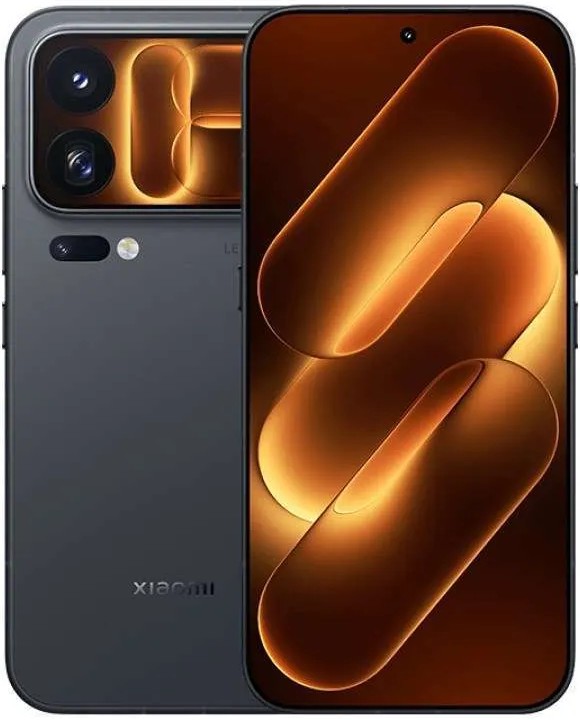
Platform
OS: Android 17, HyperOS 4CPU: Snapdragon 8 Elite Extreme Gen 6 (2 nm)
Memory
12/256, 12/512, 16/512, 16/102416/1024 satellite edition
Size
6.9", 235 g (8.29 oz)163.4 x 77.6 x 8.4 mm
6.43 x 3.06 x 0.33 in
Battery
8500 mAhChina from CNY 6,999 (~$1,045)
Buy now on TradingShenzhen
Main camera
200 MP, f/1.67, 23mm (wide), 1/1.28", Light Hunter 960, OIS200 MP, 75mm (periscope telephoto), 1/1.56", 3.2x optical zoom, 12cm macro, OIS
50 MP, f/2.4, 17mm, 102˚ (ultrawide)
Video modes
8K@30fps (HDR)4K@30/60/120fps (HDR10+, 10-bit Dolby Vision HDR, 10-bit LOG)
1080p@30/60/120/240/960fps
720p@1920fps, gyro-EIS
Selfie camera
50 MP, f/2.2, 21mm (wide)Video modes
4K@30/60fps1080p@30/60fps, HDR10+
🤖 CPU
The Xiaomi 18 Pro Max steps up to the Snapdragon 8 Elite Extreme Gen 6, a higher-binned version of the same 2nm family in the standard Pro, reaching up to 5GHz. The larger chassis buys real thermal headroom with a 5,513mm² circular cold-pump cooling system versus 4,355mm² in the Pro, which should let the Max sustain peak clocks longer under gaming, 8K recording, and AI workloads.
Compared to the cheaper 18 Pro's standard Gen 6, the Extreme bin plus better thermals is the performance reason to pay the CNY 1,000 premium, alongside screen and battery. Against the Xiaomi 17 Pro Max's Snapdragon 8 Elite Gen 5, shared identically with the 17 Pro last year, the generational jump is even clearer: a new process node, a new Extreme tier that did not exist in 2025, and cooling scaled to match.
📸 Camera
Camera hardware is identical to the Xiaomi 18 Pro: the same dual 200MP Leica main-and-telephoto pairing with Legendary Moment processing, laser autofocus, color spectrum sensor, and 8K@30fps HDR video. The larger 2.9-inch rear display makes a bigger live preview when using the main camera for selfies, and the Max adds a three-speaker arrangement versus the Pro's stereo pair.
Compared to the cheaper 18 Pro, there is no camera compromise in either direction this year, so the Max decision comes down to chip, screen, and battery. Against the Xiaomi 17 Pro Max's triple 50MP system with a 5x periscope, the 18 Pro Max trades longer native reach for much larger, higher-resolution sensors, the same philosophical shift as the Pro, with up to 12.8x lossless-quality zoom claimed through optics plus computation.
💿 Memory & Storage
The Xiaomi 18 Pro Max mirrors the Pro's four tiers (12/256 through 16/1024, LPDDR5X + UFS 4.1) and adds an exclusive fifth configuration: a 16/1024 satellite-connectivity edition at CNY 10,999 (~$1,640), the first dedicated satellite SKU on a numbered Xiaomi flagship. That tier alone illustrates the pricier-versus-cheaper split inside the Pro Max's own lineup, not just against the Pro.
Compared to the Xiaomi 17 Pro Max, which topped out at 16/1024 without a satellite option, the Max keeps the same mainstream ceiling and pushes the halo tier higher. Value buyers lose nothing choosing the cheaper Pro on storage, since all four shared tiers are identical.
📱 Display
The Xiaomi 18 Pro Max carries a flat 6.9-inch LTPO AMOLED at 2624 x 1208 with 1-120Hz adaptive refresh, 4,000 nits peak, 0.99mm bezels, 12-bit color, Dolby Vision, and the same hardware privacy display as the Pro. The rear Versatile Back Screen grows to 2.9 inches, and both phones share IP66/IP68/IP69 protection.
Compared to the cheaper 18 Pro, the extra half-inch of front screen and 0.2 inches of rear screen are the visible reasons to go Max, with identical brightness, privacy tech, and panel materials. Against the Xiaomi 17 Pro Max's curved 6.9-inch 3,500-nit panel, the 18 Max is brighter, flatter, thinner-bezeled, and private, keeping the same 2.9-inch rear display size on a newer platform.
🔋 Battery
At 8,500mAh, the Xiaomi 18 Pro Max carries the largest battery ever fitted to a numbered Xiaomi flagship, up from the 17 Pro Max's 7,500mAh and 1,500mAh ahead of its own Pro sibling, in the same GSR VIII silicon-carbon chemistry with the 2,000-cycle 80%-retention claim. Charging matches the Pro at 100W wired, 50W wireless, and 27W reverse, in a body just under 8.5mm thick at 235 g.
Compared to the cheaper 18 Pro, the Max buys endurance rather than charging speed, the same trade the 17 Pro Max offered at a smaller 1,200mAh gap. Against the 17 Pro Max, the 1,000mAh gain plus the efficient 2nm Extreme chip should make multi-day use realistic even with heavy dual-display and camera workloads.
🎞️ YouTube reviews
Xiaomi 18 Fold
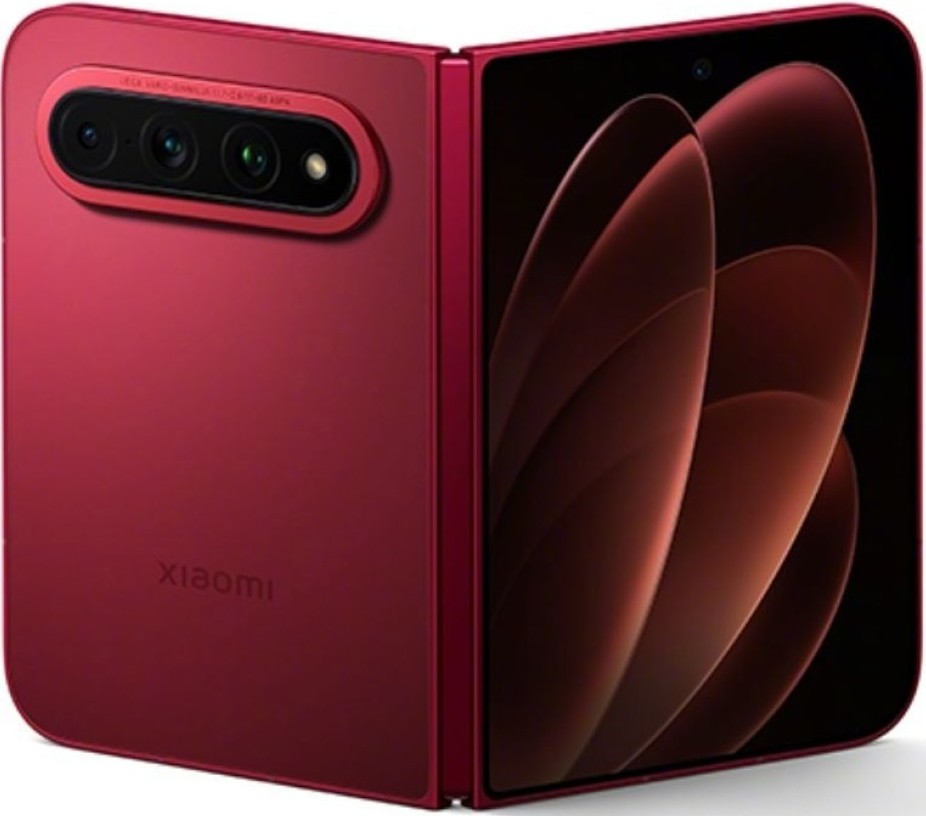
Platform
OS: Android 17, HyperOS 4CPU: XRing O3 (3 nm), 10-core up to 4.35GHz
Memory
12/256, 12/512, 16/512, 16/1024Size
7.58" inner, 5.38" cover219 g (7.72 oz)
163.8 x 117.8 x 5.0 mm unfolded
6.45 x 4.64 x 0.20 in unfolded
Battery
6000 mAh, 67W wired, 50W wirelessReleased September 7 2026 (China), about 1400 EUR
Buy now on TradingShenzhen
Main camera
200 MP, f/1.7, 23mm (wide), 1/1.56", OIS, Leica50 MP, f/2.8, 80mm (periscope telephoto), 3.5x optical zoom, OIS
50 MP, f/2.4, 17mm (ultrawide)
Video modes
8K@24fps4K@30/60fps (Dolby Vision)
1080p@30/60/120/960fps
Selfie camera
16 MP, f/2.2, 21mm (wide), inner and coverVideo modes
1080p@30/60fps🤖 CPU
The Xiaomi 18 Fold is the first foldable to run Xiaomi's in-house XRing O3 (3 nm), a 10-core chip running up to 4.35GHz with an Arm G2-Ultra NX GPU, LPDDR6 memory subsystem, and UFS 4.1 storage under Android 17 and HyperOS 4. The vertically integrated ISP, memory controller, and imaging pipeline handle 200MP multi-frame capture, 8K encoding, and heavy split-screen multitasking without the thermal complaints that used to follow thin foldables.
Compared to the pricier-on-paper slab siblings with Qualcomm silicon, the 18 Pro's Snapdragon 8 Elite Gen 6 and the 18 Pro Max's Extreme variant still hold the peak-clock and driver-maturity edge at up to 5GHz. Against its Xiaomi 17-era predecessors there is no direct foldable to compare with, which is itself the point: the Fold brings the 18 generation a form factor the 17 lineup never had, trading Qualcomm's proven drivers for a chip tuned together with its own imaging pipeline.
📸 Camera
The Leica triple camera pairs a 200MP f/1.7 23mm main sensor (1/1.56-inch, OIS) with a 50MP f/2.8 80mm periscope offering 3.5x optical zoom and OIS, plus a 50MP f/2.4 17mm ultrawide. Video reaches 8K@24fps with 4K@60fps in Dolby Vision and 960fps slow motion, while inner and cover selfie cameras are 16MP units capped at 1080p. Colour science carries the familiar Leica Summilux tuning for consistent contrast and skin tones across all three lenses.
Compared to the cheaper slabs, the Fold's 200MP main uses a smaller 1/1.56-inch sensor than the Pro pair's 1/1.28-inch units, its 50MP 3.5x periscope trails their 200MP 3.2x modules in resolution, and video tops out at 8K@24fps and 4K@60fps where the slabs reach 8K@30fps and 4K@120fps. Selfies are the clearest trade: 16MP 1080p against the slabs' 50MP 4K. The Fold is the strongest pick for rear-camera stills on a big canvas rather than vlogging, and unlike anything in the Xiaomi 17 generation, which had no foldable at all.
💿 Memory & Storage
Xiaomi offers 12/256, 12/512, 16/512, and 16/1024 with UFS 4.1 and no card slot, the same ceiling as the 18 Pro and Pro Max, so large 200MP bursts and 8K clips have identical headroom across all three launched models.
The practical difference is availability, not capacity: the Fold launched in China on September 7 2026 at about 1400 EUR, the priciest ticket in the lineup, with no confirmed global release yet. If you can buy one at all where you live, the configuration ladder itself gives no reason to prefer any of the three on memory alone.
📱 Display
The 7.58-inch inner LTPO AMOLED (2364 x 1672, ~382 ppi, 120Hz, 4000 nits peak, Dolby Vision) follows a near-square ratio with a 5.38-inch LTPO cover screen under Dragon Crystal Glass 3. The dragon-bone hinge and thinner display stack keep the average crease depth at no more than 30μm, the flattest claim Xiaomi has ever made.
Compared to the cheaper 6.4-inch 18 Pro and 6.9-inch Pro Max slabs, the Fold trades the rear Versatile Back Screen concept for a genuinely bigger canvas: the near-square inner display is unusually pleasant for reviewing portrait photos and reading, if less cinematic for video than the slabs' conventional panels. Brightness matches the slabs at 4000 nits peak, so outdoor review quality is consistent across the lineup.
🔋 Battery
A 6000mAh silicon-carbon cell with 67W wired, 50W wireless, and reverse wired support puts the Fold below both slabs on capacity and wired speed. The IP58/IP59 rating makes it one of the few folding phones usable in genuinely bad weather.
Compared to the 7000mAh 18 Pro and 8500mAh Pro Max, both charging at 100W wired, the Fold is the endurance compromise of the lineup: the smallest battery and slowest wired charging in exchange for the smallest, lightest folding chassis (219 g, 5.0mm unfolded). Heavy shooting days with short top-up windows favour the slabs; travelling photographers who want the big canvas will accept the trade.
🎞️ YouTube reviews
Xiaomi 18 – arriving December 2026
Xiaomi has confirmed the standard Xiaomi 18 will launch separately from the Pro series, with China availability expected around December 2026 and a global rollout likely in the first quarter of 2027 alongside the Pro models. Nothing here is official yet, so treat every figure below as a leak rather than a spec sheet.
Reliable tipsters point to a 6.4-inch flat LTPO OLED at 2K-class resolution, the standard Snapdragon 8 Elite Gen 6 rather than any Extreme bin, and a battery starting with the number 7, with one leak specifically citing 7,200mAh. On camera, leaks describe a single 200MP periscope telephoto paired with 50MP main and ultrawide sensors: a partial upgrade that would sit a clear step below the Pro pair's dual-200MP system, more so than the Xiaomi 17 ever trailed the 17 Pro. To manage costs amid the memory-chip shortage, the base model is expected to keep LPDDR5X and UFS 4.1 with 12/256 to 16/512 tiers.
Compared to the pricier 18 Pro and Pro Max, the standard 18 would be the value flagship of the family: the same 2nm-class efficiency and a 200MP zoom taste, without the second 200MP sensor, the rear display, or the Extreme chip option. Buyers deciding between waiting and buying a Pro today should weigh a lower price against a visibly tiered camera system.
What happened to the Xiaomi 18 Ultra?
For the first time since Xiaomi revived the Ultra name, there is no Xiaomi 18 Ultra on the announced roadmap. Multiple well-sourced leakers describe the project as shelved rather than delayed, with the Pro Max's price already creeping toward Xiaomi 17 Ultra territory leaving little room for an even pricier Ultra this cycle. The most consistent read is a skip for this generation and a return with the Xiaomi 19 Ultra in late 2027. Note this is reported strategy, not an official Xiaomi announcement.
That leaves a real gap for anyone chasing the 17 Ultra's signature 1.0-inch-type main sensor and continuous 3.2-4.3x periscope zoom with mechanical ring: the Xiaomi 18 Pro Max is now, at least for now, the top of the line. The Xiaomi 17 Ultra remains on sale as the company's dedicated photography flagship, and a camera-first buyer who leaned on the Ultra's dedicated hardware may find the Pro Max's dual-200MP setup a very different, if still capable, trade-off.
Three phones in, the Xiaomi 18 generation is shaping up as Xiaomi's most deliberately tiered flagship launch yet. Rather than spreading four slab models across the same generational leap, Xiaomi concentrated its biggest jump, the 2nm Snapdragon platform, the dual 200MP Leica system, batteries north of 7,000mAh, and a genuinely new hardware privacy display, into the Pro and Pro Max, flanked them with an in-house-chip foldable, and is now differentiating the two slabs more sharply than the 17 Pro and 17 Pro Max ever were: a standard versus Extreme chip split, a satellite-only top SKU on the Pro Max, and a widening battery gap between them.
The Xiaomi 18 Pro makes the case for a compact-ish flagship that still gets everything: the same dual-200MP cameras, the same 2nm-class silicon family, and the same privacy display as its bigger sibling, in a body that grew only a millimeter or two over the 17 Pro. The Xiaomi 18 Pro Max, meanwhile, picks up the higher-binned chip, the bigger battery, the extra half-inch of screen, and an exclusive satellite-connectivity configuration that no other Xiaomi flagship, this generation or last, currently offers. For anyone weighing an upgrade from the Xiaomi 17 series today, both deliver a real generational jump in camera hardware and battery capacity at a China price roughly CNY 1,000 higher than last year. Anyone holding out for a more affordable Xiaomi 18, or for an Ultra-class camera system, will simply need to wait, the former until December, the latter possibly until 2027.
Whether you prioritize the perfect balance of size and capability with the Xiaomi 18 Pro, demand the largest screen and longest battery life with the 18 Pro Max, want a folding canvas with an in-house chip in the 18 Fold, or are waiting for the value-tier Xiaomi 18, this series refines the 17's formula while keeping a clear hierarchy inside the lineup. See also our best camera phones guide, where the 18 Pro Max now represents Xiaomi, and the best 8K cameras guide for its 8K video credentials.